Oktoberfest is not just a beer season, or a German party. Oktoberfest is a style of beer, too! It is a great beer style – also called Märzen, and there is also the Festbier style; some of the reasons why the editor of BKBG is such a fan of the beer season.
– Märzen and Festbier, the two main styles are described below, but there are also some other common German beer styles listed at the bottom for a further dive into the subject.
So instead of looking for a German name, take a look for the style and see if it is a style that you would want to look for this year.
Editor’s Note: I LOVE Oktoberfest beer. Although I am not often a fan of lagers, the Oktoberfest, and the Festbier, are different enough that I look forward to them every year. Why?
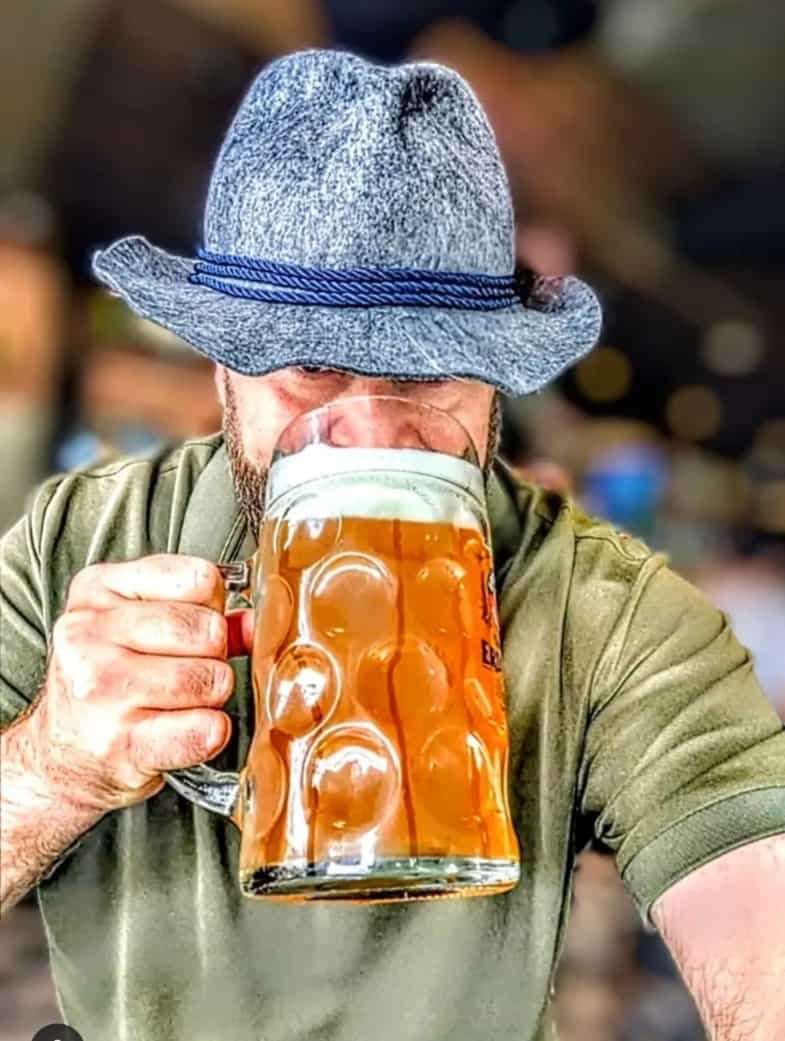
- They have a little more malt, so have a little more body and sweetness
- low bitterness, too
- They are usually a little bit stronger than the usual lager
- They are GREAT to drink while eating roasted meats
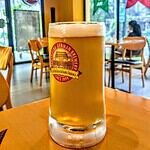
(Picture taken at Londoner Brew pub)
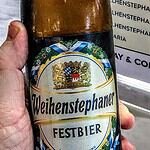
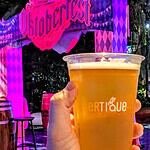
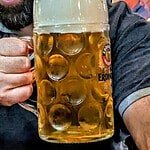
Märzen
Märzen or Märzenbier is a lager that originated in Bavaria, Germany. It has a medium to full body and may vary in colour from pale through amber to dark brown. It was the beer traditionally served at the Munich Oktoberfest.
– Wikipedia
Festbier
Festbier came much later, pioneered by Paulaner in the mid-1970s. The producer sought to create a lighter, golden beer that retained märzen’s signature malt-forward characteristics but was less filling and could be more easily consumed in larger quantities over a longer period. Since the 1990s, it’s become the dominant style of beer at Munich’s Oktoberfest.
– Food & Wine: Best Okroberfest
For the brewing nerds:
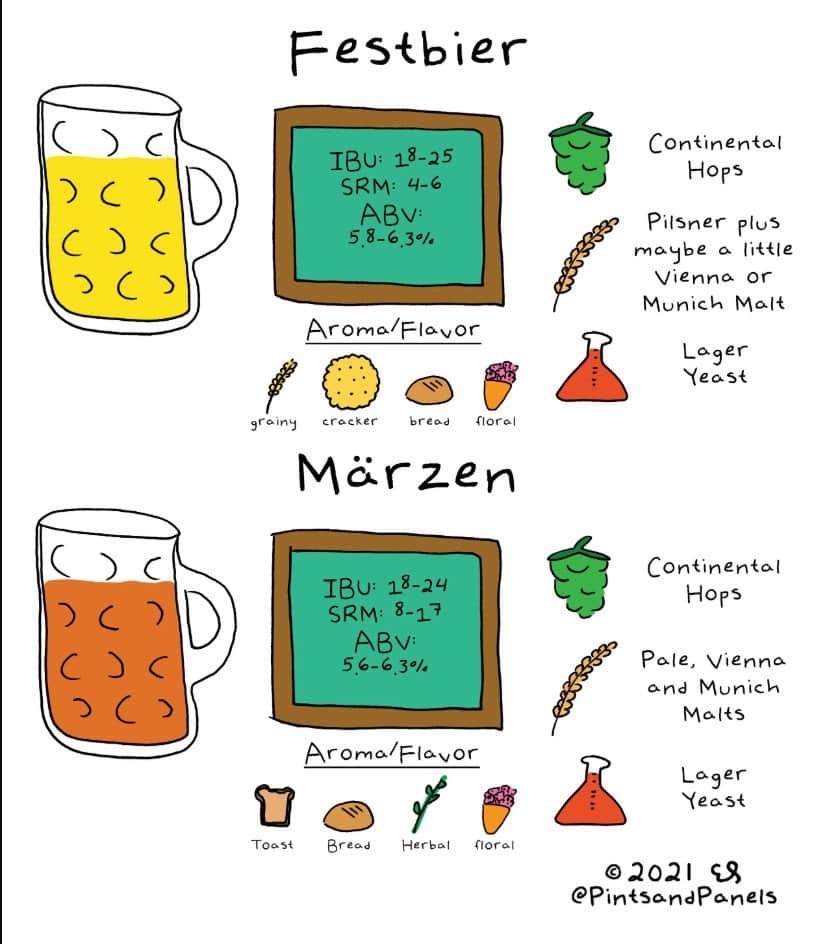
Oktoberfest beers are often Festbier or Marzen, and the differences can be seen here in aan illustration by Pints and Panels.
Credit: Pints and Panels Website
Other Oktoberfest/German styles
Excerpts taken from ‘A Guide To German Beer Styles For Oktoberfest,’ a 2014 blog post by Kevin Gibson, a Kentucky USA-based writer.
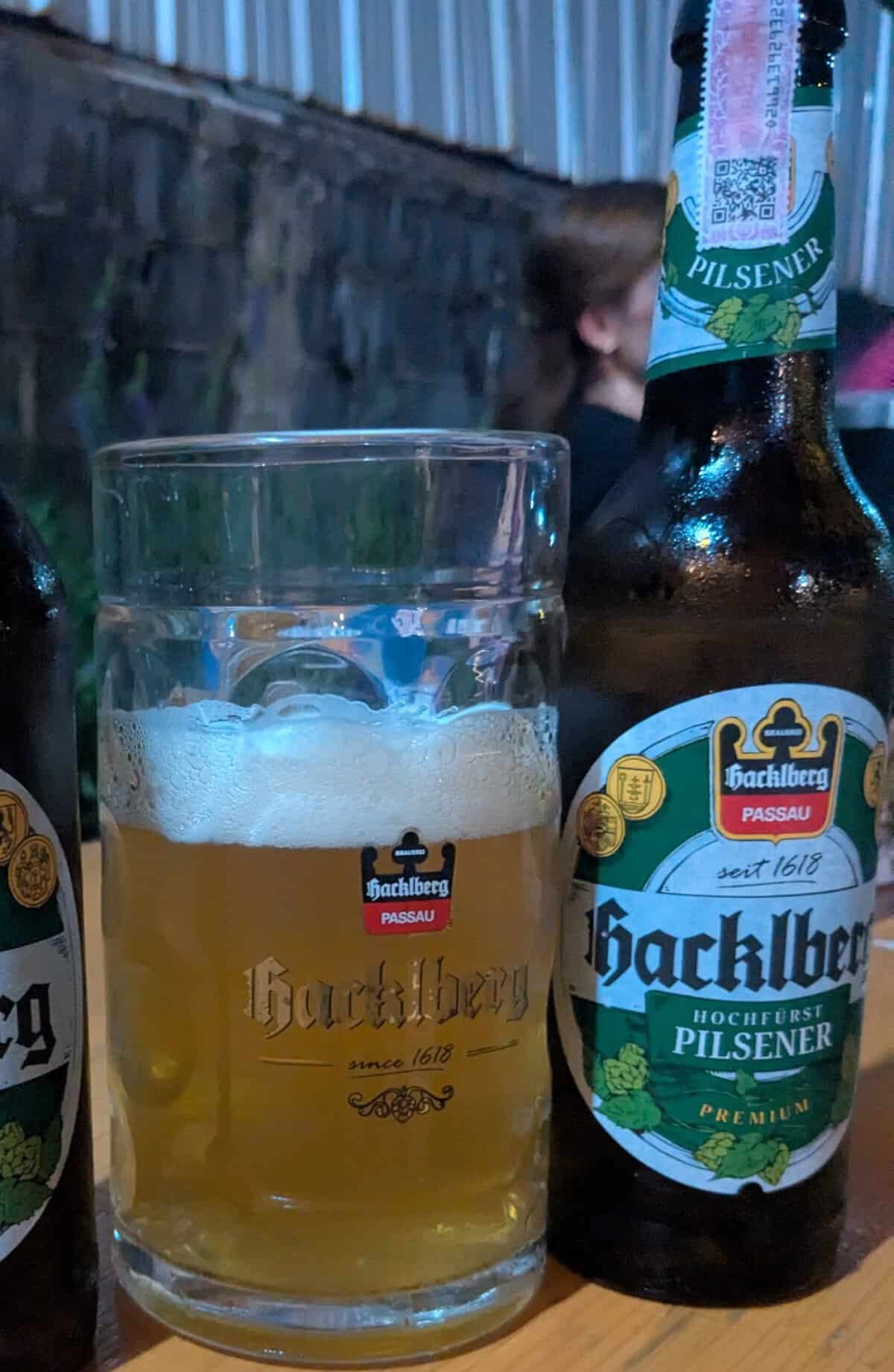
(picture taken as Das Laer in Bangkok)
- Altbier: It is copper in color, cool-fermented, medium-bodied and ultimately just really drinkable. I love that there is a slightly dry finish to these beers.
- Berliner Weisse: This is a tart, spritzy, refreshing beer that is low in alcohol and high in drinkability, especially in summer months when you need a thirst quencher.
- Bockbier: This is a beautifully robust beer that usually is consumed in spring, but is perfect for fall and winter as well. It’s dark in color, heavy and malty, yet a smooth and drinkable beer that begs to be sipped and savored. Oh, and word to the wise: they come in at more than 8 percent ABV.
- Doppelbock: Another bock-style beer that is a heavier version of a Bavarian bock. Starting at 7 percent ABV, this is another one that begs a designated driver.
- Dunkel: This is basically a mild, dark lager beer that is malt forward and gently hopped. Coming in at around 5 percent ABV, it’s drinkable and perfect for a fall romp in a beer garden.
- Hefeweizen: Some call this Weissbier, but it’s an unfilitered, easy-to-drink wheat beer. More of a summer beer.
- Helles: A straw-colored, drinkable beer, this is a perfect entryway into German beer for the beginner. It usually comes in around 5 percent ABV.
- Kölsch: It’s kind of a lighter cousin of Altbier, but employs a special yeast that helps give it a slightly fruity flavor.
- Märzen: This might be considered the beer that founded Oktoberfest, as it came to be an annual October beer release.
- Pils or Pilsner: It’s ultra-light and drinkable, perfect for those long sessions of watching football and flirting with bartenders.
- Schwarzbier: A black lager that might fool people with its surprising drinkability, given its dark appearance. It’s rich and mild, with a subdued, malty character, lacking the hop bite of many light lager style beers.